
Merelbeke-melle
Flanders, Belgium
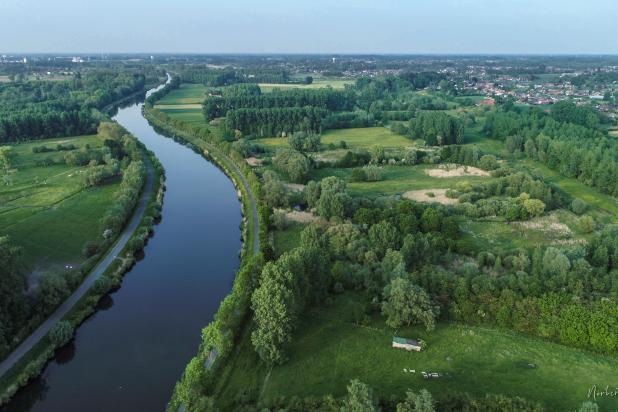
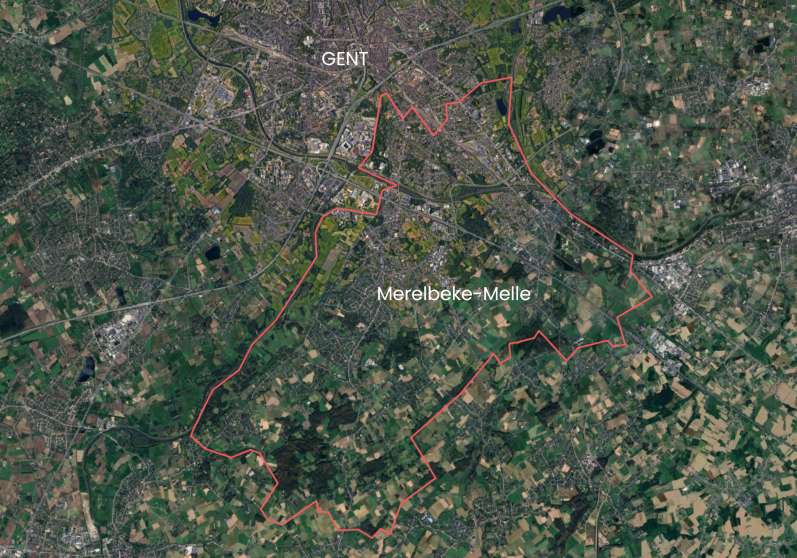
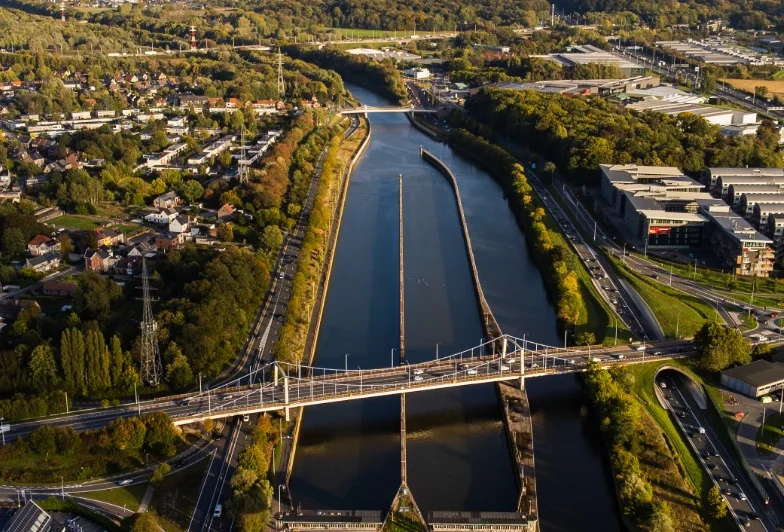
Merelbeke-Melle is a municipality in the southwest of Ghent, nestled along the southern bank of the Scheldt River and the “ring channel” that links two branches of the river. The municipality is the result of a recent administrative merger between the former municipalities of Merelbeke and Melle, officially united in January 2025.
First written evidence goes back to the 12th century, referring the ‘Van Merelbeke’ family, and to the 13th century when Hildegardis van Melle married Rudolf van Schelderode. By the 19th century, the area had become a popular retreat for wealthy residents of Ghent seeking a peaceful life outside the city.
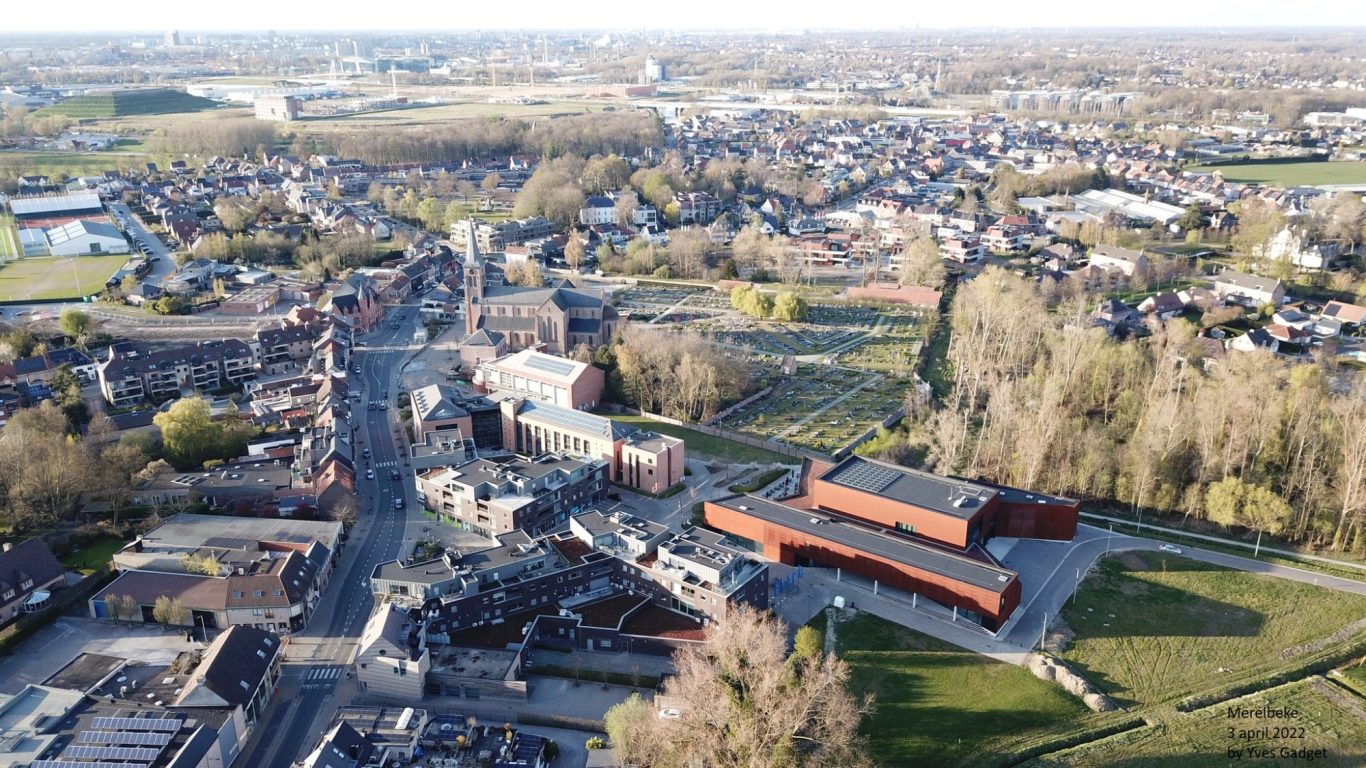
Today, Merelbeke-Melle can be considered part of the greater Ghent metropolitan area. It covers an area of 52 km² and is home to around 37,000 residents. The municipality consists of two main towns – Merelbeke and Melle – of which the original municipalities are named after. Its northern parts, bordering Ghent, are densely urbanized, while the southern parts offer a more rural landscape.
What we're doing
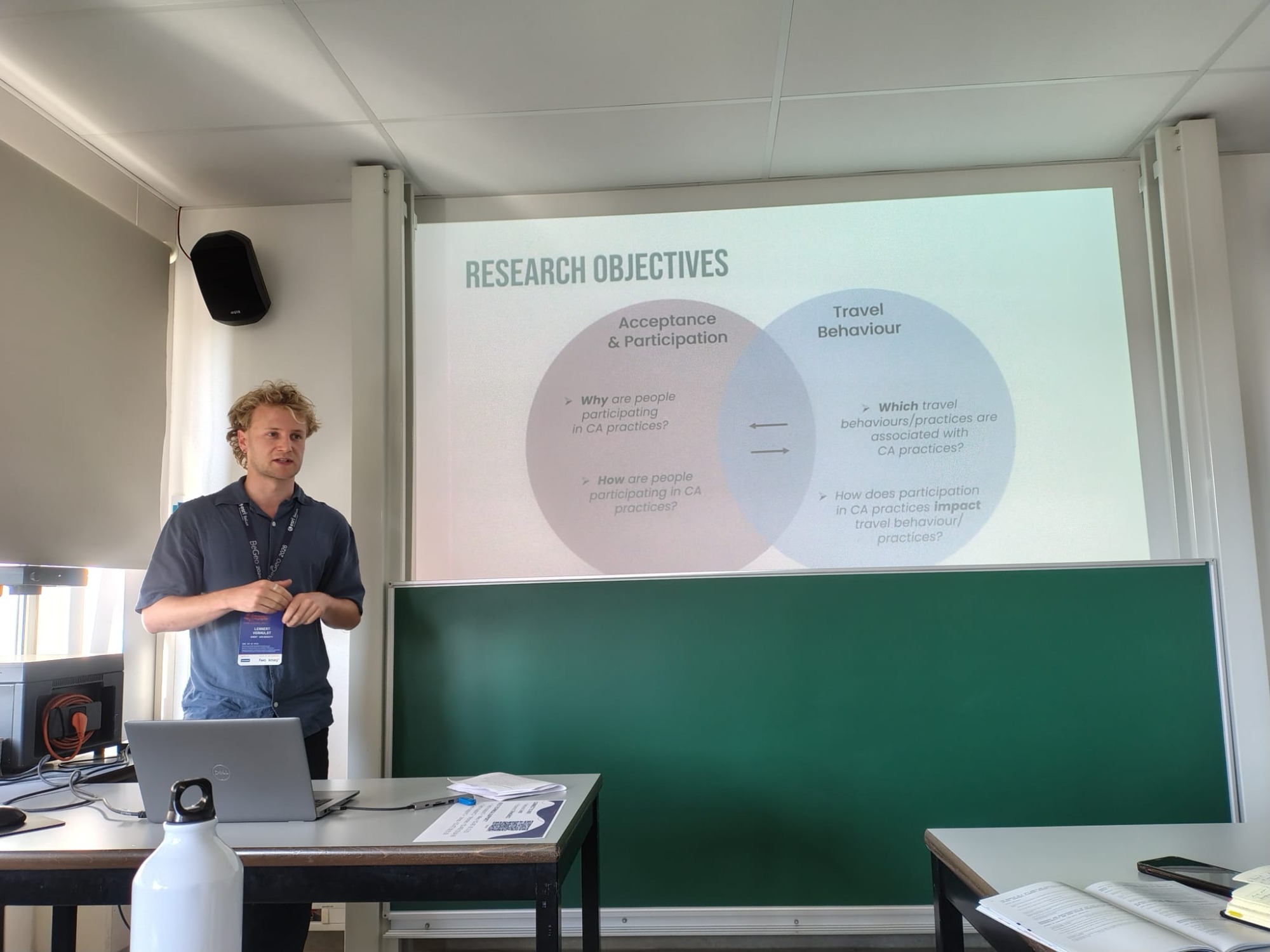
We are particularly interested into why people participate in commoning accessibility initiatives – what motives, needs and values do they have? – as well as understanding what impacts participation has on their travel practices.
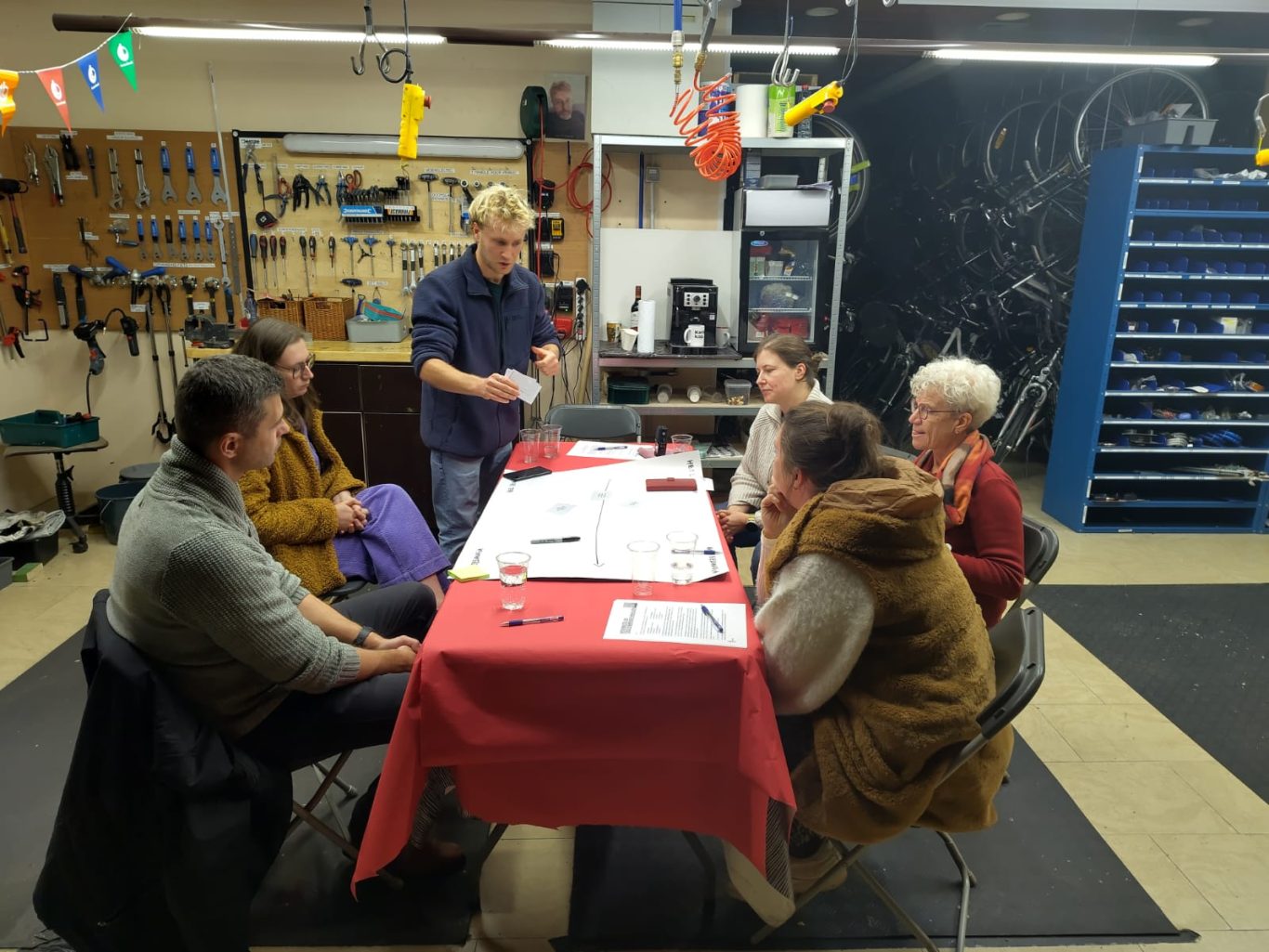
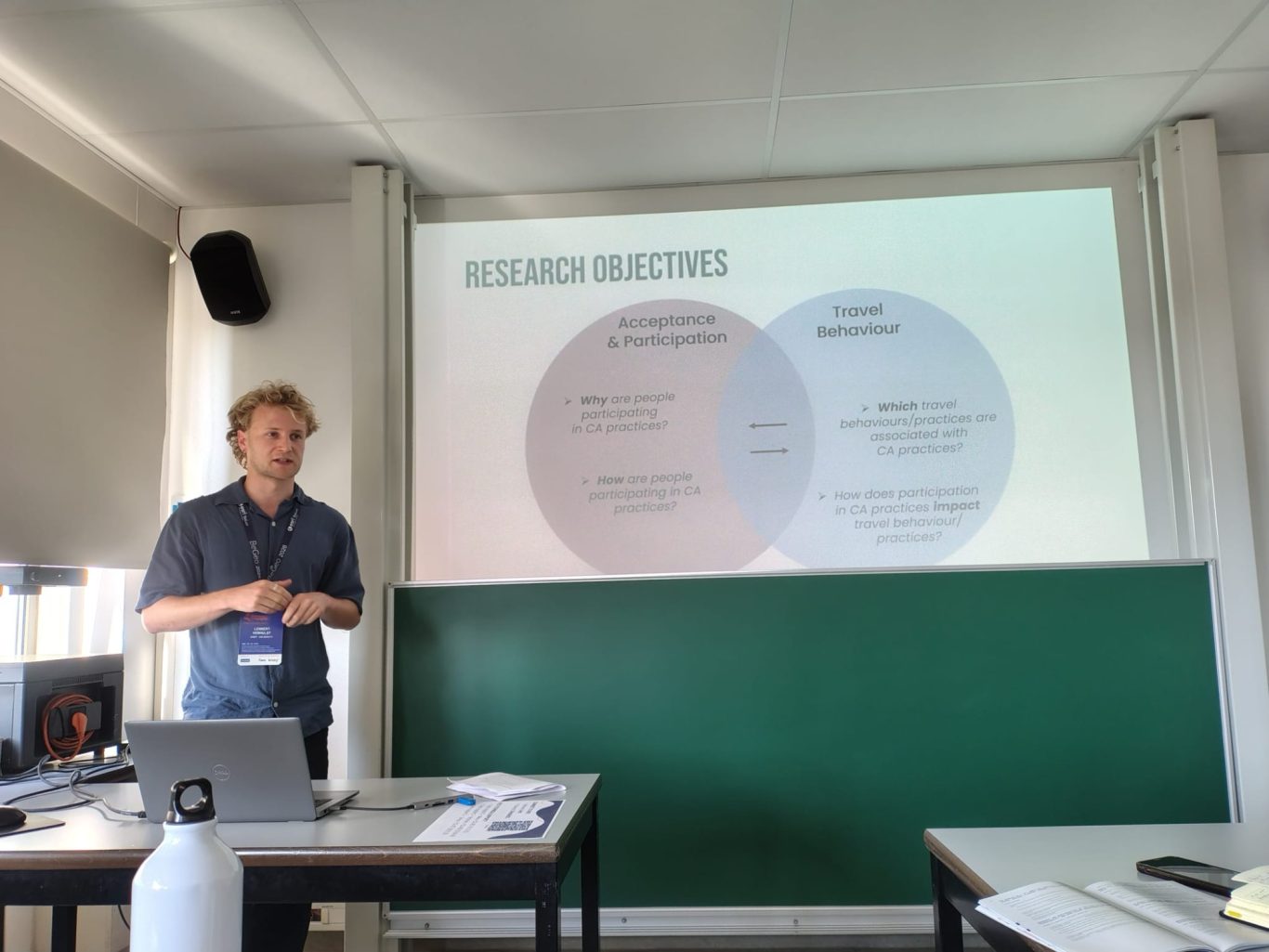
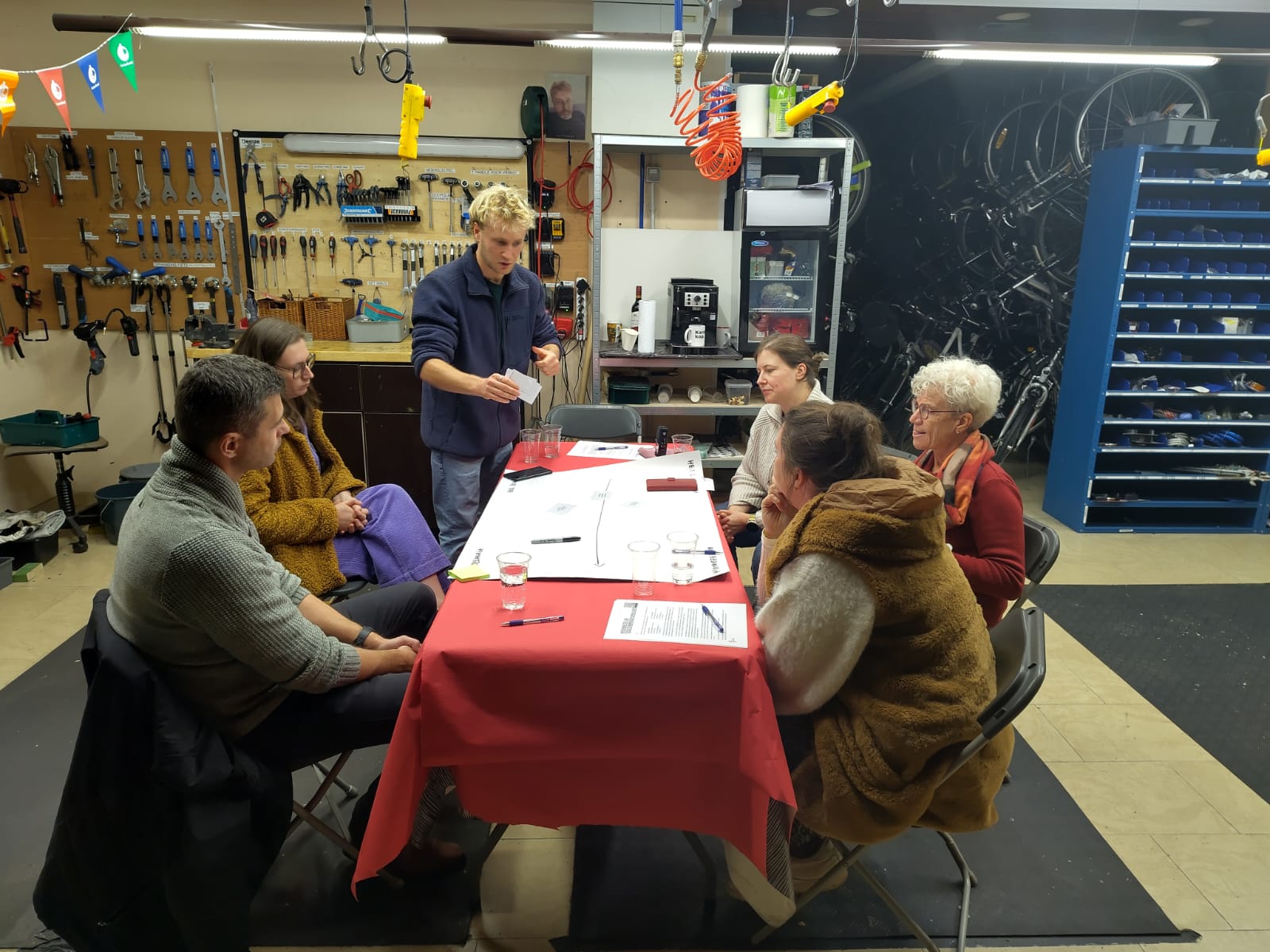
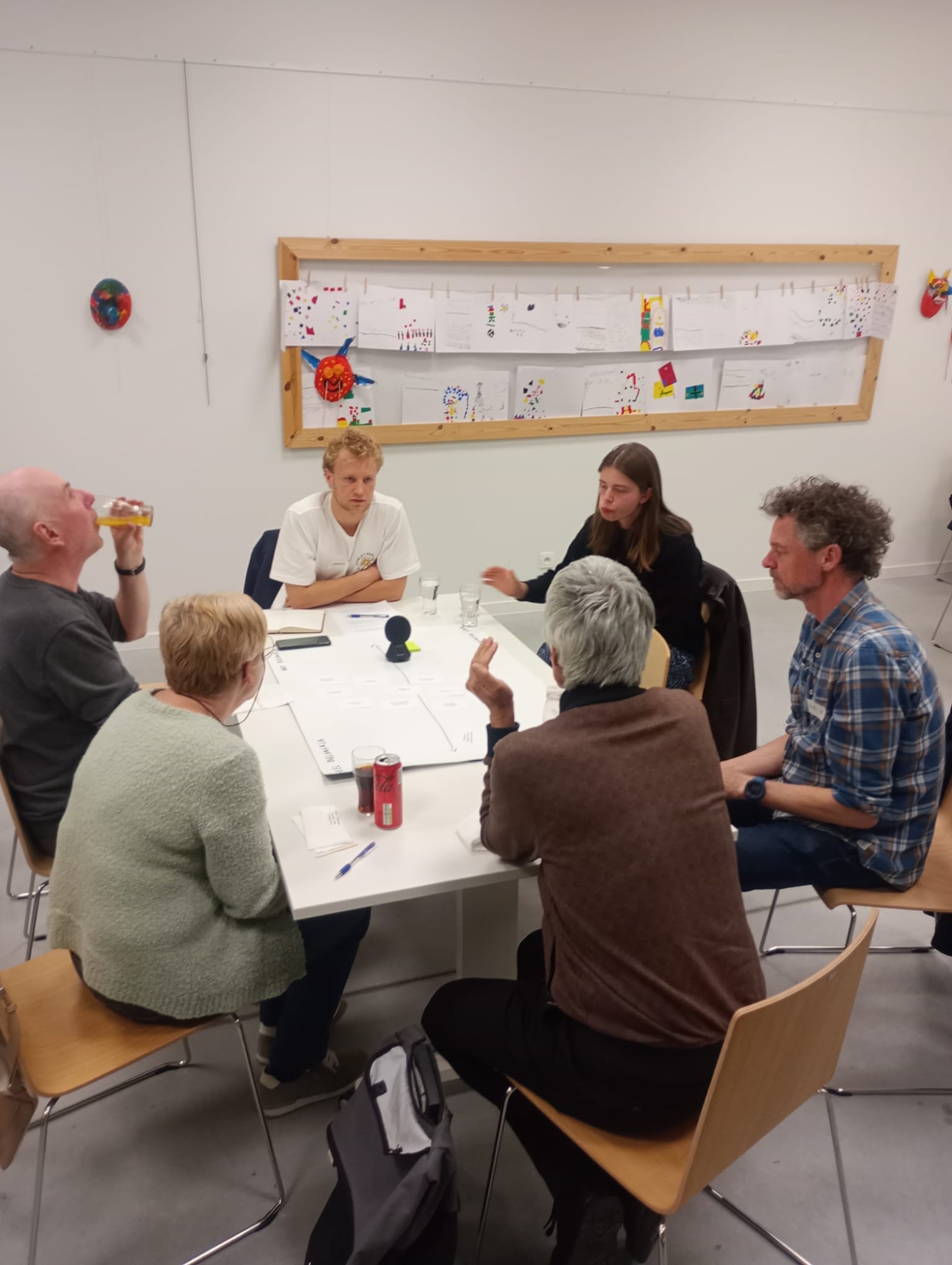
We carried out several focus groups with participants of five different commoning accessibility initiatives. Five focus groups were caried out in Merelbeke-Melle, one in Deinze, another neighbouring municipality of Ghent, and a last one in Diksmuide, a more rural municipality in West-Flanders.
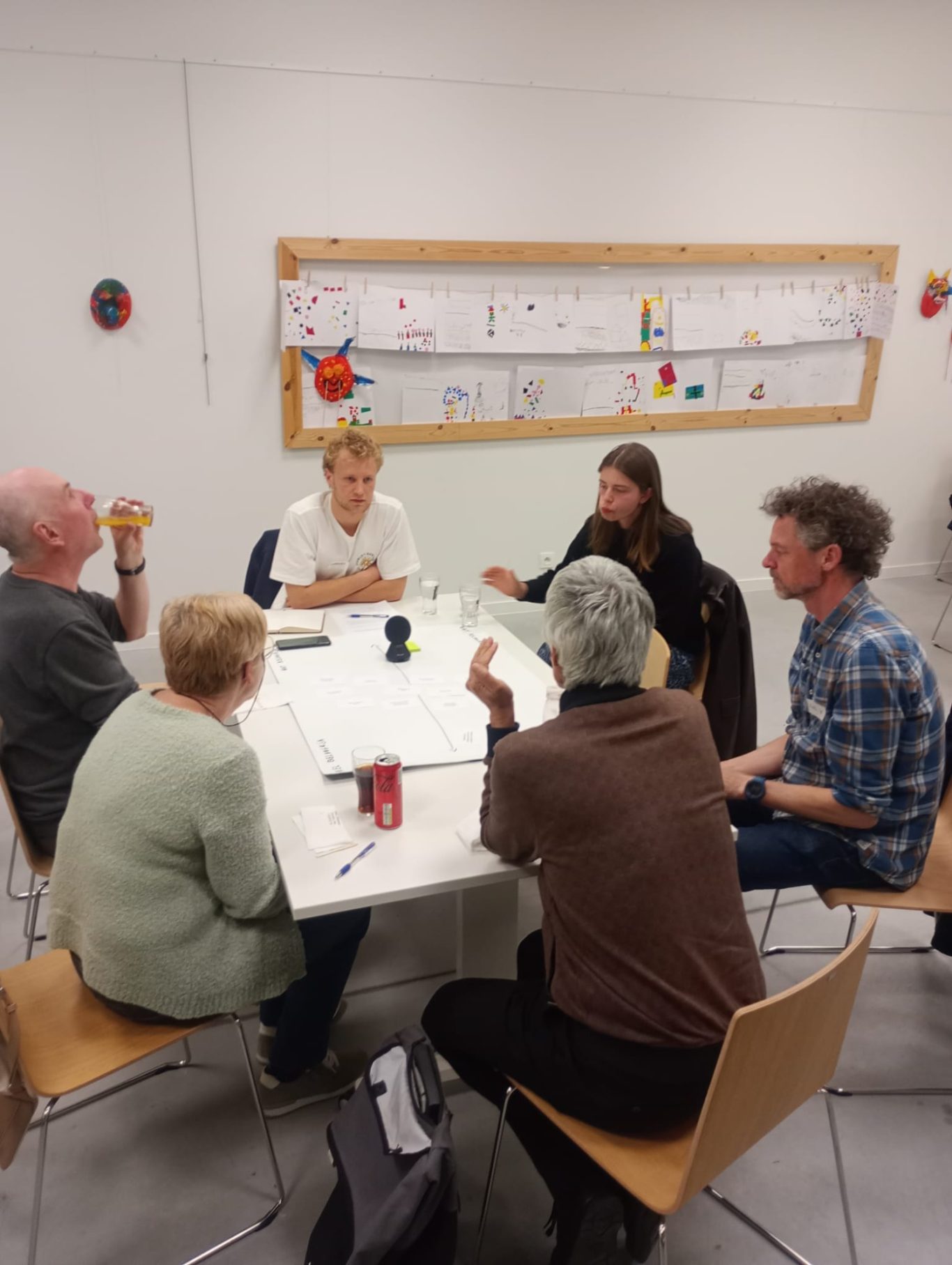
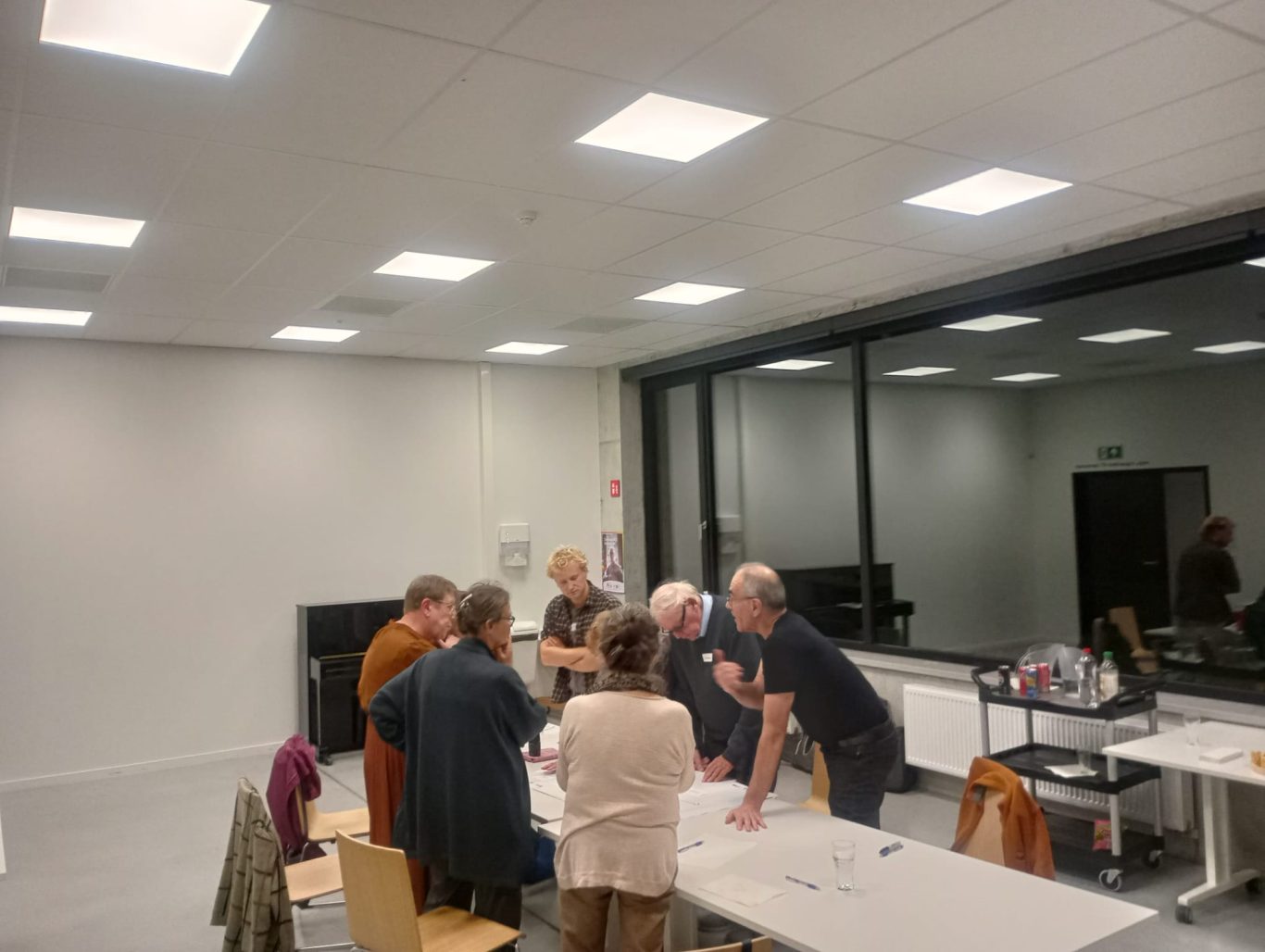
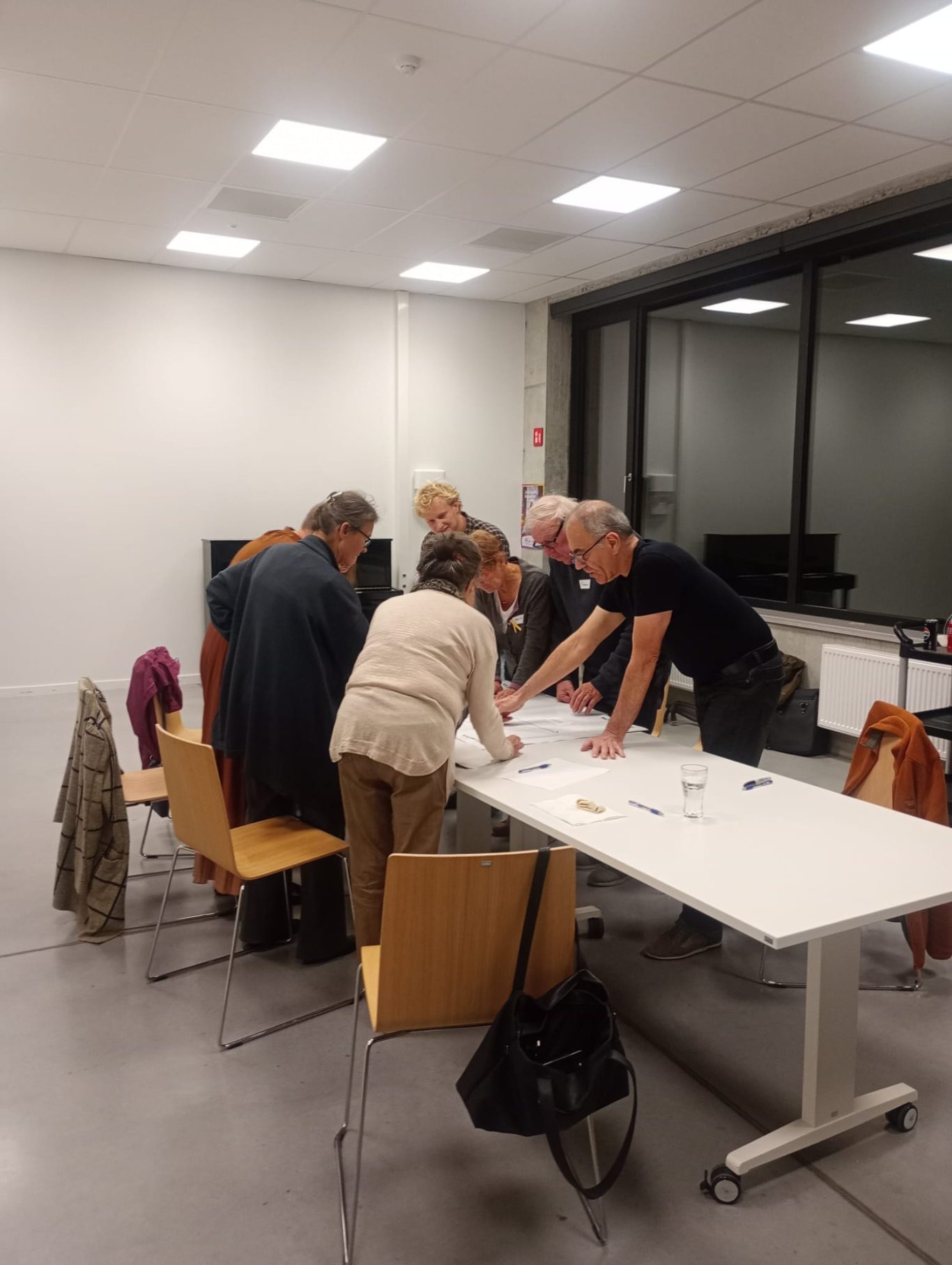
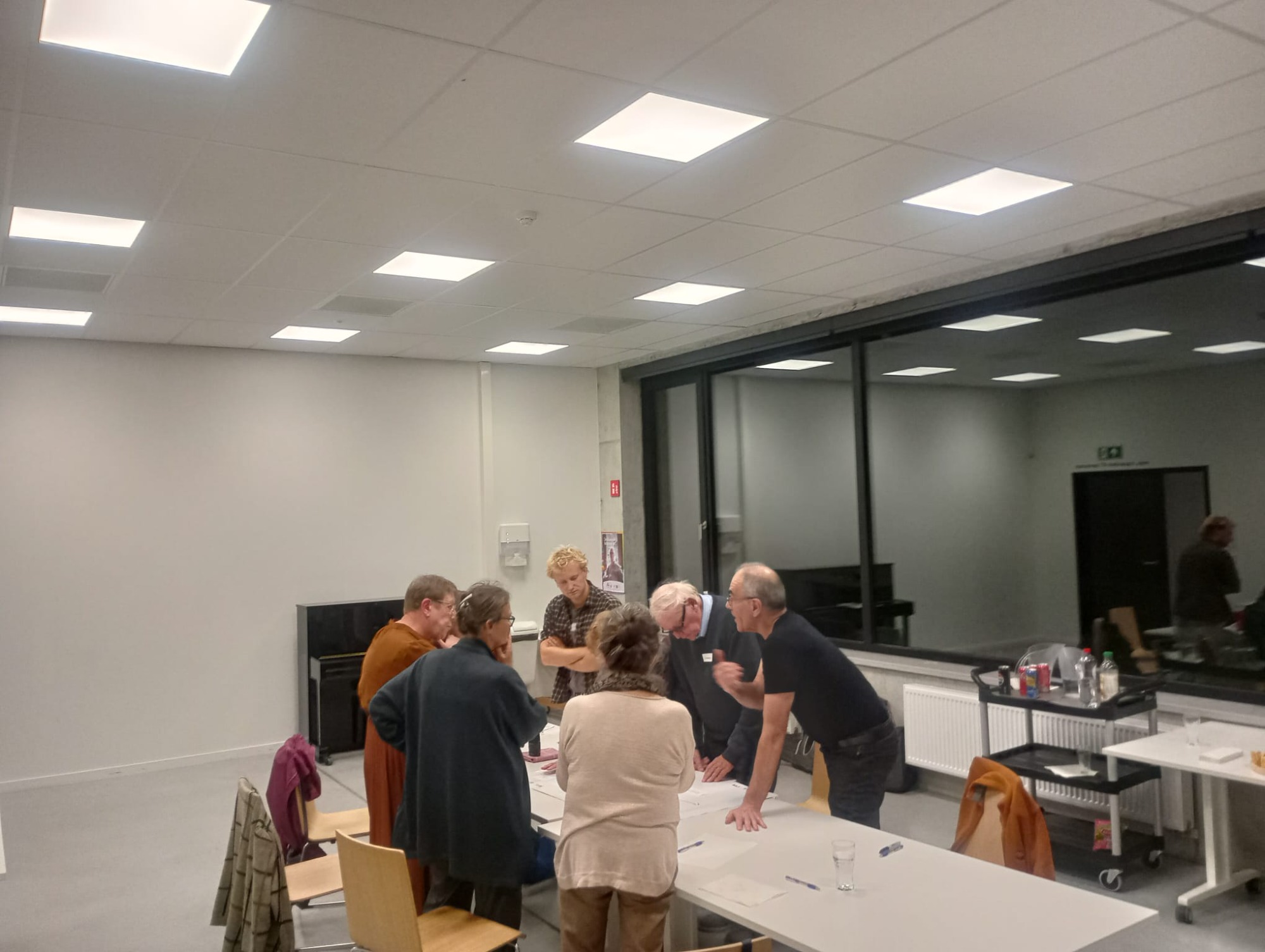
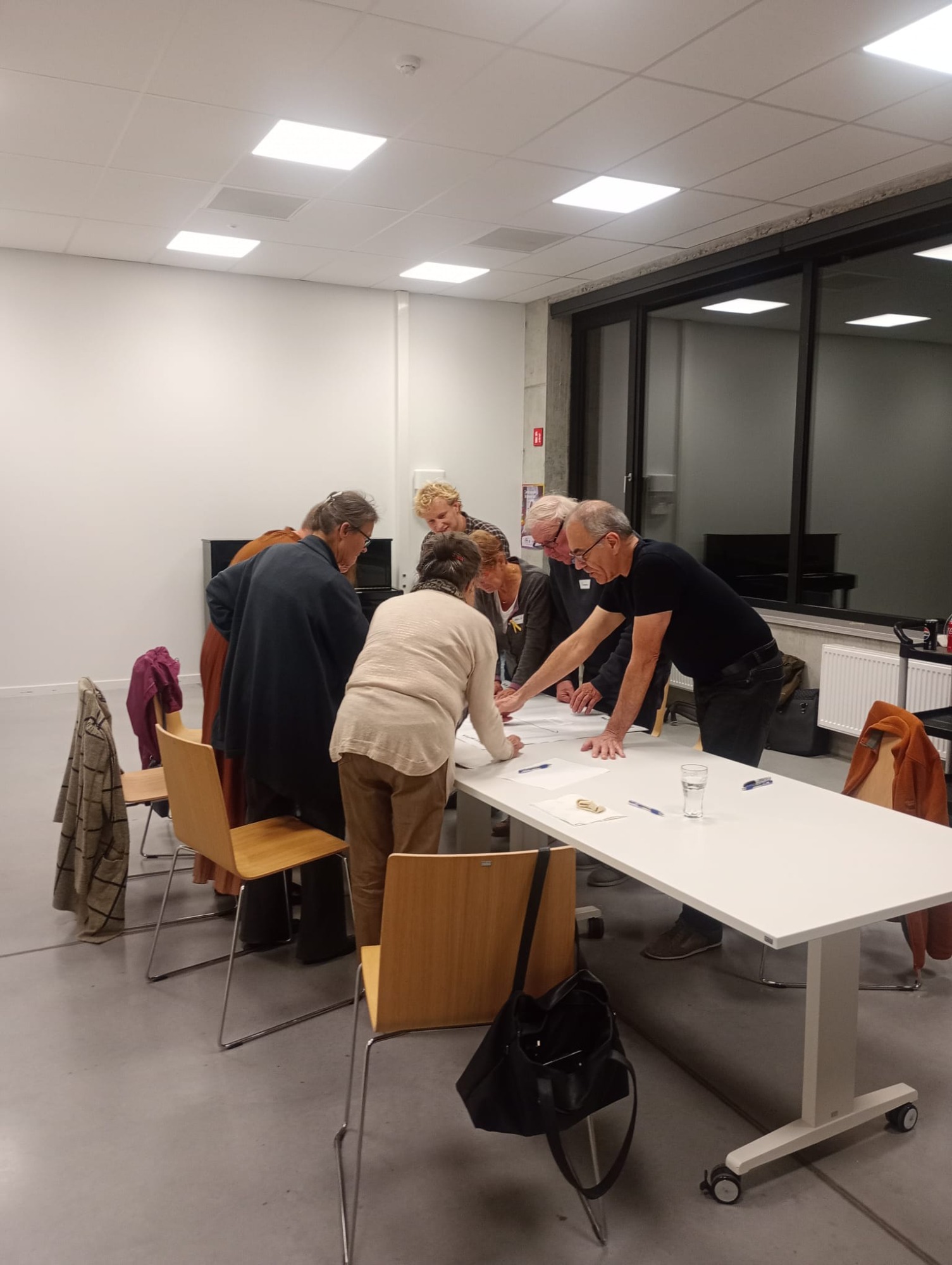
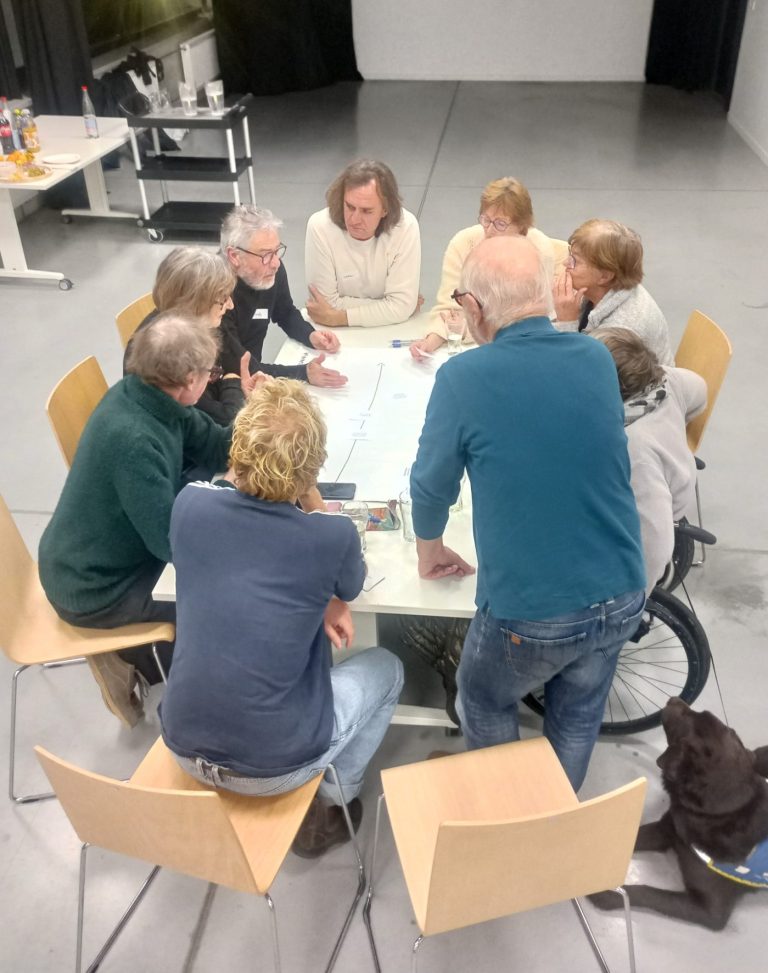
Besides these focus groups, two workshop were organised in our testbed. In the first one, we aimed to understand local accessibility needs and what the capacity and interest is for CA practices in responding to these needs. In the second workshop, we looked at how different stakeholder could work together in strengthening cooperation between CA practices and policy, for the case of community-based car sharing.
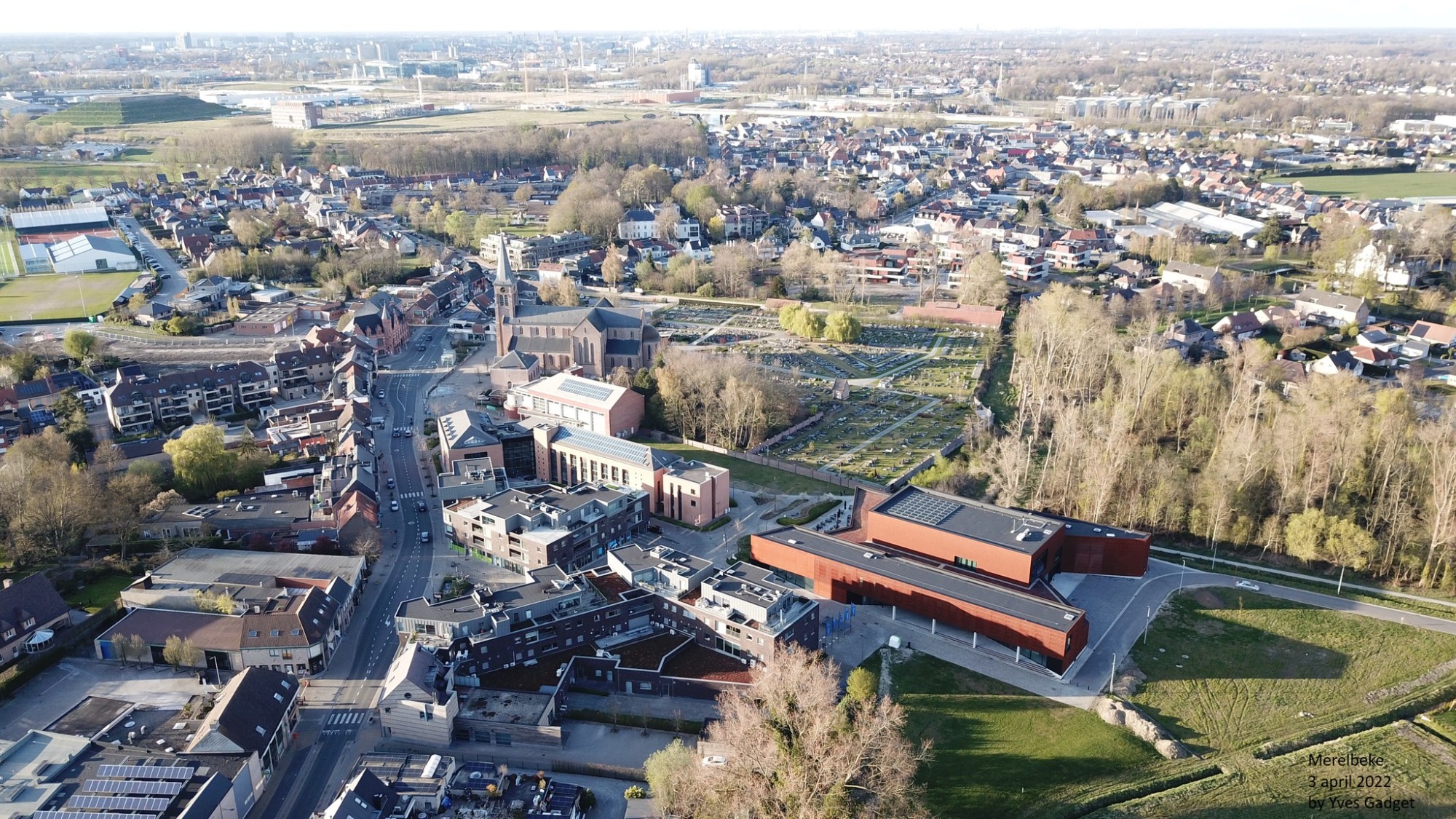
A municipality in East Flanders, where residents are finding new ways to share mobility
Merelbeke-Melle is well-connected by public transport, with two train stations – one in each town – offering direct services to both Ghent and Brussels. The area also hosts key higher educational institutions, including the Veterinary Medicine campus of Ghent University and the Agro- and Biotechnology department of Ghent College.
Despite a nearby highway, most traffic between Ghent and southern East Flanders flows through two main local roads, which pass through the heart of the municipality. This leads to heavy through-traffic and frequent congestion, a major concern among residents. Traffic safety and mobility are often at the centre of local discussions.
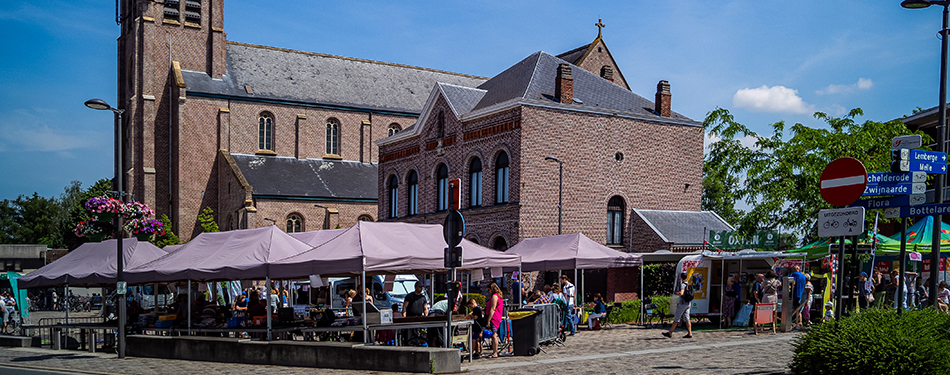
The municipality also has its so called ‘citizens platforms’. Partly supported by the local government, these are voluntary-led assemblies of engaged citizens that want to work on more liveable neighbourhoods. They do so through dialogue with citizens, local organisations and the municipality, building bridges between different parts of society. Some of them support local commoning accessibility initiatives, such as Op Wielekes, a bicycle library for children, and the repurposing of two formal churches into places for the community.
Other than the cycling library, other commoning initiatives can be found as well, such as community-based car sharing schemes (Dégage and Cozywheels), voluntary transport for less mobile people (the Mobitwin Centrale) and a repair café.
COMMON_ACCESS researches accessibility across Europe
Explore the testbeds and discover the places and activities shaping the project